
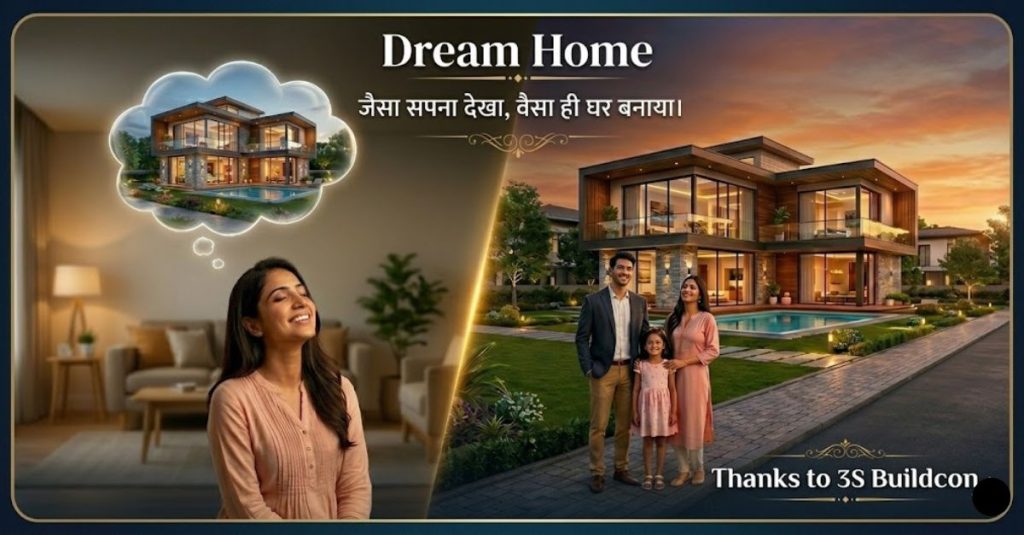
Your ideal house represents more than just a physical space (four walls plus a roof) — it demonstrates who you are as an individual and how your current and future experiences shape your reality. An intelligently Planning Your Dream Home will account for your individual preferences and personality, and the fundamentals of your family and the community will last for years.
In this guide, I will give you realistic steps to take to make your vision a reality, as well as professional tips and tricks to use in your design process, and things to consider before starting your journey to build your new home.
Why is Planning Your Dream Home Important?
Many people jump into construction without planning first. This is why so many people go over their budgets, have to fix problems on a project, or regret a purchase years down the road. By beginning with a focus on planning your new house from the beginning; you will:
- Avoid making expensive errors.
- Use your space more effectively.
- Be comfortable for years to come.
- Increase the value of your property.
- Design your new home to meet your lifestyle.
A strong plan will form the basis for all of the steps that follow.
Understanding Your Needs and Lifestyle
Begin by asking yourself how you want to live in your home before considering designs and materials.
Questions to think about:
- How many people in your household will be living in the home?
- Do you require an office or workspace?
- Do you prefer an open or closed living space?
- Will your needs alter in the next 5 to 10 years?
When looking at designing your dream home, consider your daily living. For example, an office may be at the top of the list for working professionals whereas larger family areas will be at the top of the list for families.
Planning a Realistic Budget
Budgeting is one of the most important things you can do when planning your perfect home; without a budget, all of your design ideas can fall apart before they are even built.
Budget items to consider:
- Land cost (if you do not have it)
- Building Cost
- Interior design/furnishings
- Permits/approvals
- Emergency fund (to cover for future unexpected costs) (10% to 15% of total construction budget)
When planning your dream house keep in mind that all construction projects will encounter some type of unplanned costs. Have a contingency fund available!
Choosing the Right Location
Your home’s location can influence not only how you live but also the eventual value of the home.
When assessing where to live, consider these items:
- Convenience to work, schools, & retail
- Safety and quality of the neighborhood
- Future potential for development
- Access to utilities
If your location does not meet your everyday needs, even the best-designed house will feel flawed in terms of being functional.
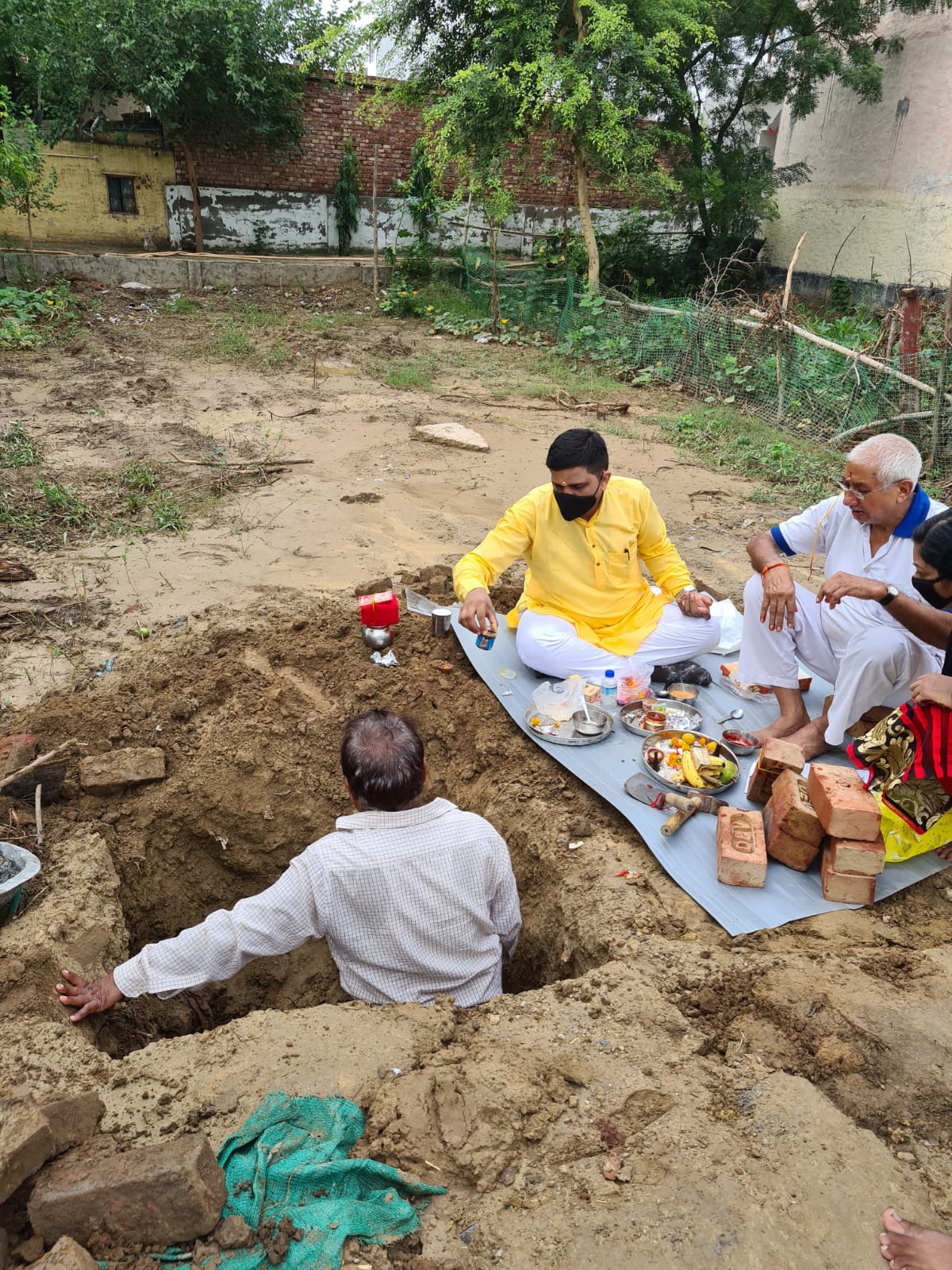
Picking the Right Professionals
The success of your home-building project is very much tied to the people you hire.
Some key specialists may include:
- Architect
- Structural engineer
- Interior designer
- Contractor/builder
Knowing who has experience building in your area is essential when hiring a contractor. Researching past projects and client references can give you a feel for the contractors ability to comply with local codes and meet your needs before hiring them as a contractor.
The Layout Of Your Home Needs To Be Functional
Aesthetic appeal needs to be balanced with functionality when designing your home. Your homes layout should facilitate your daily living activities.
Consider the following tips when developing a functional layout:
- Place commonly used spaces in close proximity to one another.
- Make sure you have adequate natural light and ventilation in your home.
Don’t waste or create empty spots in your house (for example, if you keep your kitchen close to your dining room, you will have less travel time, while putting a window in the right location will give you airflow).
Designing for Future Needs
A dream house should meet all your current needs and have enough space to accommodate changes that will occur in your family in the future.
When designing a dream home, plan for the future.
Space for larger families, an elder-friendly design, room for growth, and energy-efficient upgrades that are likely to happen are all examples.
When you design to be future proof, it saves you time and money over time when you create your dream home.
Selecting Appropriate Materials
The selection of a proper material type will affect the longevity, upkeep, and overall appearance of your dream house – so don’t skimp here! There are many factors to consider when selecting materials, such as:
- The balance between cost and quality of material selected
- The climate in which you will be residing
- The level of maintenance of materials over time
- The sustainability of the material use in your dream house.
While the initial financial investment in good quality materials may be higher, the life cycle costs will tend to be significantly lower.
Focus on Natural Lighting & Air Flow.
To make sure that we create healthy environments and energy-efficient homes, we must ensure our homes are well lit and have enough airflow throughout the house.
To achieve this goal, we should try to use as many full-size windows as possible, be sure that we utilize cross-ventilation, stay away from poor layout design that creates barriers to airflow, and use light-colored paints and drywall on the interior of the house.
Be sure to include the amount of lighted space and adequate air flow in your ideal house in the planning as a total package and not as an afterthought once construction begins.
Smart Storage Solutions
Most people think of storage as an afterthought during the planning phase. Still, storage can be one of the most important factors to consider when keeping your home organization-friendly!
Smart Storage Solutions Include
- Built-in wardrobes
- Under-stair storage
- Modular kitchen cabinets
- Multi-functional furniture
Smart storage planning allows you to create a clean; organized, and clutter-free space in your house!
Incorporating Modern Technology
Residential properties that utilize advanced technologies to increase their energy efficiency are becoming more common. Below are some technologies to think about for your new dream home:
- Smart Lighting Systems
- Security Cameras/Systems
- Energy-efficient Appliances
- Solar Panels
When you plan your home, you will be able to integrate technology throughout your home more economically and conveniently than if you were to try to retrofit it once your home is completed. Therefore, it is prudent to incorporate technology within the planning stages of your home.
Creating an Interior Design That Represents You
Your home is meant to feel like your own; it should represent who you are as a person. If you want your home to feel personal and comfortable, remember to do the following:
- Choose colors that express your personality
- Balance style vs. functionality
- Avoid overcrowding your space
- Focus primarily on comfort instead of trends
A well-planned design will enhance both the beauty and functional use of your interior space.
Proper Legal Checks and Documentation
Failing to adhere to the legal requirements can cause a lot of unnecessary hassles later on.
You should always have the below-mentioned documents before you start to design and build your dream home:
- Approved building plans
- Land ownership documentation
- Local municipality or government permits
- Final completion (occupying) certificates
When building your dream home, always follow local building codes to avoid being penalized or delayed during construction.
Classic Errors to Keep in Mind
Regardless of how well you plan, some errors are almost guaranteed to occur.
Be Cautious of:
- Estimating a budget inaccurately
- Ignoring upcoming needs
- Not Appropriately Planning for Space
- Choosing the Wrong Contractor
- Compromising Material Quality
By avoiding these types of errors, you can save yourself both time and money.
Wrapping It Up
Building a new home can be a very joyous and exciting journey. To be successful, you must do your planning, exercise patience, and work with many others during your journey.
The type of decisions you make during the early stages of the planning of your dream house process (such as what you want) and through the completion of the new home (the selection of building materials) will affect the outcome of both planning and building.
To ensure a successful build you must devote the necessary amount of time to completing a thorough and well thought out plan, take into consideration the type of situation you are in presently and where you will be in the future, and conduct the proper amount of research on various design avenues.
When you complete a well thought out and developed plan for your new home, you create not only your future comfort; but also it will be a place where you will create many wonderful memories, and provide you with an atmosphere and environment to lead your best life.